The chiropractic care that works for an athlete looks substantially different from care designed for the general population. Here's what the differences actually are.
An athlete's body has different demands, different injury patterns, and different recovery requirements than the general population. Chiropractic care designed for sedentary patients often doesn't address what athletes actually need.
Here's what distinguishes genuine athletic chiropractic care from standard chiropractic — and why the difference matters for anyone seriously engaged in sport.
The general population model
Traditional chiropractic care often focuses on:
- Pain relief through manipulation
- Correction of spinal joint restrictions
- Education about posture and ergonomics
- Maintenance care for ongoing symptom management
This model works well for many conditions in the general population. It addresses common issues — low back pain from desk work, neck pain from poor posture, headaches from cervical dysfunction.
It's less well-suited to athletes whose needs extend beyond symptom management into performance, recovery, and sport-specific demands.
What athletes actually need
Athletic chiropractic care addresses additional dimensions:
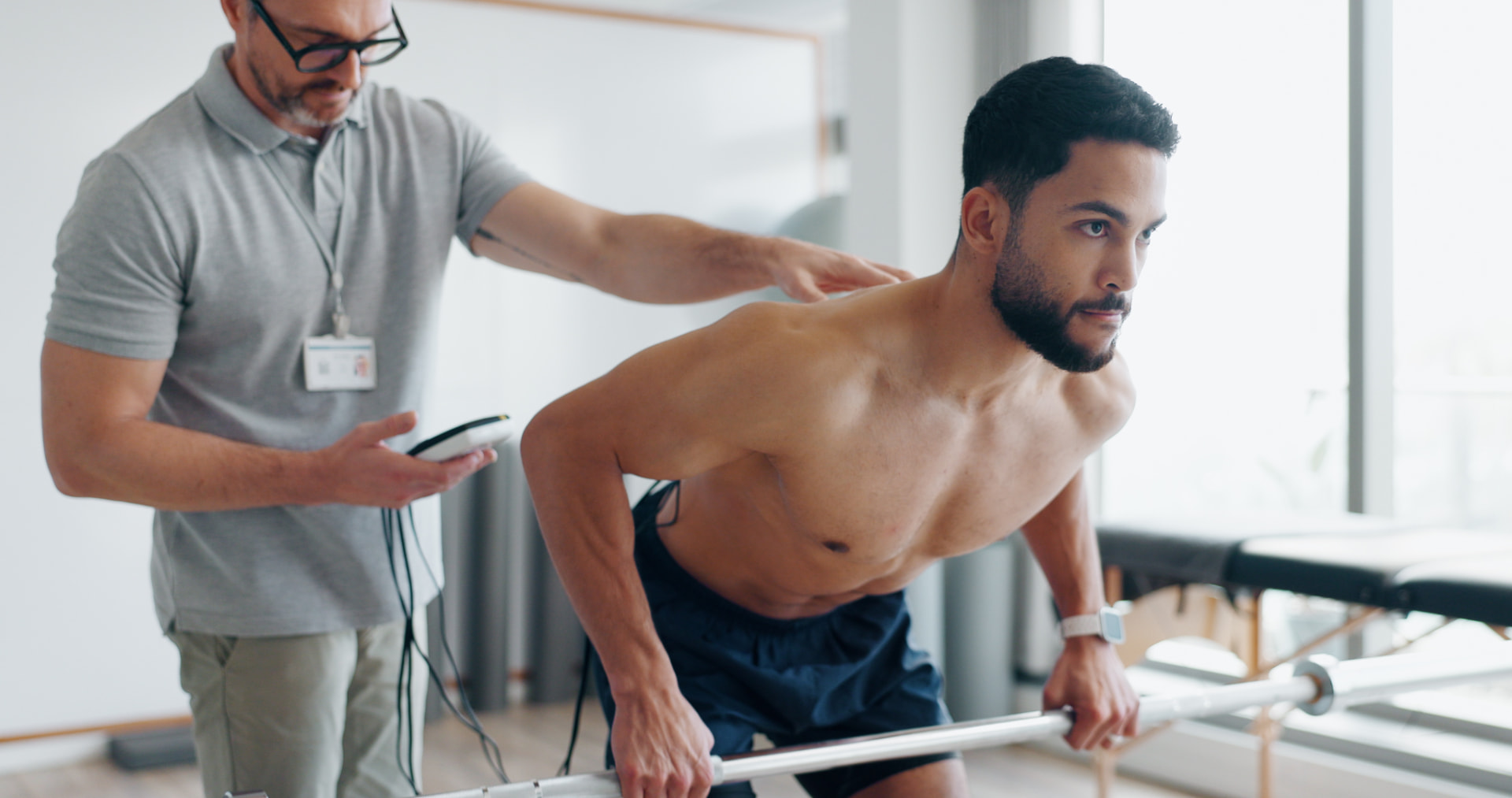
Full-body mechanical assessment. Athletes load their entire kinetic chain during sport. Treating only the spine misses most of what an athlete's body needs.
Extremity manipulation. Ankles, knees, hips, shoulders, elbows, wrists — athletes need extremity care, not just spinal adjustments. Traditional chiropractic often focuses primarily on the spine.
Sport-specific movement assessment. Understanding how an athlete's sport loads their body is essential for identifying the mechanical drivers of their issues.
Advanced modalities for tissue treatment. The chronic tendinopathies and connective tissue issues that plague athletes often require shockwave therapy, dry needling, and other advanced modalities beyond manipulation.
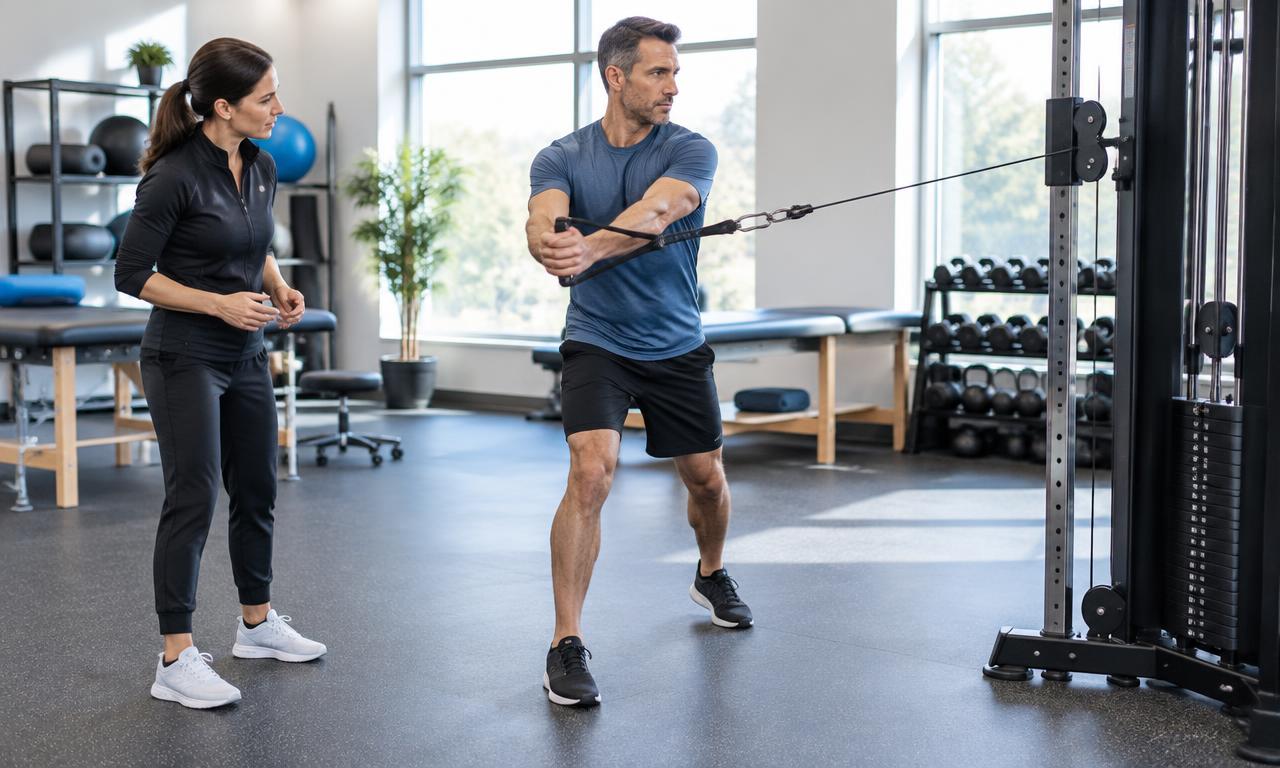
Return-to-sport thinking. Treatment isn't just about resolving pain — it's about restoring capacity to perform in sport.
Training interaction. Treatment plans account for training load, recovery, and performance demands. Adjusting training during treatment matters.
Performance beyond pain-free. The goal isn't just absence of symptoms — it's optimizing function for what the athlete is trying to accomplish.
The clinical skill difference
Chiropractors who work effectively with athletes typically have additional training beyond the base DC degree:
Certified Chiropractic Sports Physician (CCSP) or Diplomate of the American Chiropractic Board of Sports Physicians (DACBSP). Formal sports medicine certifications.
Dry needling certification through recognized training programs.
Shockwave therapy training from device manufacturers and certification bodies.
Rehabilitation and exercise science background beyond chiropractic school.
Functional movement assessment certifications (FMS, SFMA).
Sport-specific education in biomechanics of their primary patient populations (golf, cycling, running, racquet sports).
The combination of credentials and experience determines what a provider can actually offer an athlete.
The treatment model difference
Athletic chiropractic typically involves:
Extended visits. Comprehensive assessment and treatment of athletes takes longer than symptom-focused visits for the general population.
Integrated modalities. Chiropractic manipulation combined with dry needling, shockwave therapy, rehabilitation exercises, and other interventions based on the specific presentation.
Longer-term relationships. Athletes typically engage in ongoing care — through training cycles, competition preparation, and recovery periods — rather than episodic visits for specific pain complaints.
Performance-oriented thinking. Even when treating a specific injury, the broader goal is supporting the athlete's performance and athletic longevity.
When general chiropractic is adequate
Not every athlete needs specialized sports chiropractic care. General chiropractic may be sufficient for:
- Simple mechanical issues (acute low back strain, basic neck pain)
- Maintenance care in athletes without specific performance demands
- Athletes with primarily postural or occupational driven symptoms
- Situations where insurance coverage is a major consideration and the issues are straightforward
For complex conditions, performance-oriented athletes, chronic issues that require advanced modalities, or athletes whose sport makes specific demands on their bodies, sports performance chiropractic offers substantially more.
What athletes should ask
When evaluating a practice for athletic care, worth asking:
- What sports do you most commonly work with?
- What modalities do you offer beyond chiropractic manipulation?
- How long are typical visits?
- Do you have experience with my specific condition or sport?
- What's your approach to return-to-sport progression?
- How do you integrate with my coaching, training, and other providers?
Clear, specific answers indicate a practice that thinks about athletes as athletes.
How Stryde approaches athletic care
Stryde Health and Performance specializes in sports performance chiropractic for active adults — most of whom are recreational rather than professional athletes, but who engage in their sports seriously enough that their care requirements go beyond what general chiropractic provides.
Our integrated model combines chiropractic with dry needling, focused and radial shockwave therapy, EMTT, craniosacral therapy, and progressive rehabilitation — all within extended visits that allow comprehensive assessment and treatment.
For Palm Beach County's golfers, tennis players, pickleball players, cyclists, runners, and other active adults, this model addresses what athletes actually need rather than providing general chiropractic care with athletic branding.
Frequently Asked Questions
- Do I need to be a competitive athlete for sports chiropractic to be useful?
- No. Most patients at sports performance practices are recreational or lifestyle athletes, not competitive ones. The care model fits anyone who engages in sport or physical activity seriously.
- Can my regular chiropractor provide athletic care?
- Depends on their training and the modalities they offer. Some chiropractors have extensive sports training even without formal sports certifications. Others don't. Clarifying what they offer helps you decide.
- How often do athletes need chiropractic care?
- Varies by individual, sport, and goals. Some athletes benefit from weekly care during intense training; others do well with monthly maintenance. The specific needs determine frequency.
- Is this covered by insurance?
- Varies. Concierge sports performance practices typically operate on self-pay models. Some insurance plans cover chiropractic but may not cover advanced modalities.
If you're an active adult looking for chiropractic care designed around your sport and performance goals rather than general symptom management, schedule a consultation at Stryde Health and Performance in Boynton Beach.