The difference between a traditional chiropractor and a sports performance chiropractor isn't just marketing. The training, the modalities, and the treatment model are meaningfully different.
Patients often ask: "You're a chiropractor, but you don't just do adjustments — what exactly are you?" It's a fair question. The term "sports performance chiropractor" describes a specific integration of skills and treatment approaches that differs meaningfully from traditional chiropractic. Here's the actual distinction.
What traditional chiropractic focuses on
Traditional chiropractic practice centers on spinal manipulation — high-velocity, low-amplitude adjustments intended to restore joint motion and reduce nerve interference. Many traditional practices operate on high-volume, insurance-based models with brief patient visits focused primarily on adjustments.
Traditional chiropractic has legitimate applications and evidence-based support for certain conditions, particularly acute and chronic low back pain. Multiple systematic reviews and clinical guidelines support spinal manipulation as an appropriate intervention.
Where traditional chiropractic often falls short is in comprehensive care for musculoskeletal conditions beyond the spine, in advanced modality integration, and in the ongoing rehabilitation and performance work that many patients — particularly active adults — actually need.
What a sports performance chiropractor adds
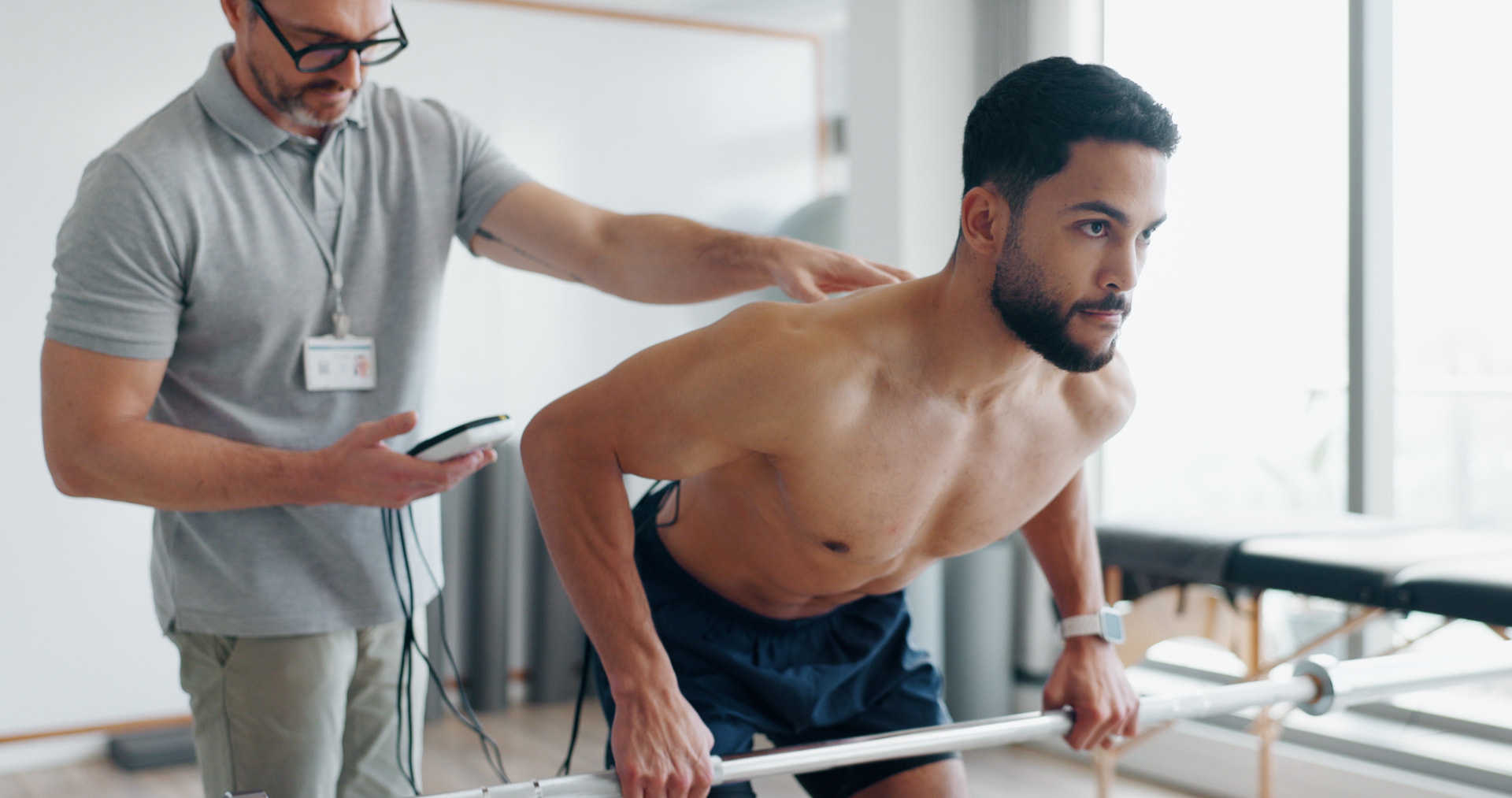
A sports performance chiropractor typically integrates:
Chiropractic manipulation across the spine and extremities. Not just the neck and back — sports chiropractors often adjust ankles, knees, hips, shoulders, elbows, wrists, and other joints where indicated.
Advanced modalities for tissue treatment. Extracorporeal shockwave therapy (focused and radial), EMTT, and other advanced technologies that most traditional chiropractic offices don't offer.
Dry needling for myofascial trigger points and muscle dysfunction — again, not standard in most traditional practices.
Rehabilitation exercise programming. Sport-specific and condition-specific exercise progressions that build capacity beyond pain resolution.
Craniosacral therapy in appropriate cases — for post-concussion symptoms, chronic headaches, TMJ dysfunction, and certain other conditions.
Sport-specific assessment and treatment. Understanding the mechanics of golf, tennis, pickleball, cycling, running, and similar activities well enough to identify sport-specific contributors to injury.
Extended, comprehensive visits that allow for actual clinical thinking rather than brief high-volume adjustments.
The training difference
Sports chiropractors typically pursue additional training beyond the standard chiropractic curriculum. This may include:
- Certified Chiropractic Sports Physician (CCSP) certification
- Diplomate of the American Chiropractic Board of Sports Physicians (DACBSP)
- Additional certifications in dry needling, extracorporeal shockwave therapy, functional movement assessment, and other advanced modalities
- Ongoing continuing education in sports medicine, exercise science, and advanced rehabilitation
Not every practitioner using "sports chiropractor" in their marketing has completed this training. Verifying credentials matters.
The clinical model difference
Traditional chiropractic practices often operate on a high-volume model where each patient receives brief visits — sometimes as short as 5 to 10 minutes — focused on adjustments. This works for certain populations and conditions.
Sports performance chiropractic typically involves longer visits (30 to 60 minutes) that allow for:
- Actual movement assessment beyond the joint being treated
- Integration of multiple modalities in a single visit
- Rehabilitation exercise instruction and progression
- Detailed discussion of home programs, activity modifications, and return-to-sport planning
- Consideration of the patient's actual goals and sport-specific needs
This longer visit model is less compatible with insurance-based reimbursement, which is part of why many sports performance practices operate on self-pay or concierge models.
Who a sports performance chiropractor is for
Sports performance chiropractic is particularly well-suited to:
- Active adults with sport-specific injuries or performance limitations
- Patients with chronic musculoskeletal conditions that haven't responded to traditional treatment
- Patients seeking a comprehensive approach rather than isolated adjustments
- Athletes and active individuals wanting integrated performance care
- Patients interested in advanced modalities like shockwave therapy and dry needling
Traditional chiropractic may be more appropriate for:
- Patients seeking symptom-focused adjustment-based care
- Patients whose insurance drives their choice of provider
- Simple, acute mechanical issues that respond well to focused manipulation
How Stryde defines it
At Stryde Health and Performance, our model integrates all of the above into a concierge sports performance practice. Patients receive extended visits, integrated modalities based on their specific condition, and treatment plans that address root causes rather than symptoms alone.
Our target patient is the active adult in Palm Beach County — golfers, tennis players, pickleball players, cyclists, runners — who wants care that matches the standard they hold for the rest of their lives. Our treatment model is designed for the patient who has often exhausted traditional options and is looking for something different.
Frequently Asked Questions
- Do sports performance chiropractors only treat athletes?
- No. The name suggests a focus, but the treatment approach benefits active adults across a wide range of ages and activity levels. Most of our patients are recreational athletes, not competitive ones.
- Is sports performance chiropractic covered by insurance?
- Coverage varies. At Stryde, we operate on a self-pay concierge model rather than an insurance-driven one, which allows for the extended visits and advanced modalities that define the practice. Some patients pursue out-of-network reimbursement.
- How do I find a qualified sports performance chiropractor?
- Look for practices that specifically describe integration of chiropractic with rehabilitation, dry needling, and advanced modalities like shockwave therapy. Check credentials — sports chiropractic certifications (CCSP, DACBSP) indicate additional training. Read reviews from patients with your type of condition.
- Do I need a referral?
- In Florida, no referral is required to see a chiropractor. Patients can schedule directly.
If you're an active adult in Palm Beach County looking for comprehensive sports performance care rather than traditional adjustment-focused chiropractic, schedule a consultation at Stryde Health and Performance in Boynton Beach.