From Wellington to Manalapan, a new template for the active second half is taking shape — and it looks nothing like a 5 a.m. CrossFit class.
There's a particular kind of training routine emerging across Palm Beach County, and it doesn't look like anything you'd recognize from the fitness culture of the last twenty years.
The people doing it are in their fifties, sixties, and early seventies. They live between Wellington and Manalapan. They belong to one or two clubs. They play golf or tennis multiple times a week, sometimes pickleball, sometimes both. They're successful enough to do whatever they want with their bodies and their time. And what they've collectively figured out is that the training advice they grew up with — bootcamp classes, marathons, high-intensity everything — is the wrong template for the second half of life.
The new template is quieter, more deliberate, and dramatically more effective. Here's what it looks like.
Mornings: capacity, not punishment
The Palm Beach performance routine doesn't start with a 5 a.m. alarm and a CrossFit class. It starts later — usually between 7 and 8 a.m. — and the first session of the day isn't about beating yourself into shape. It's about building capacity.
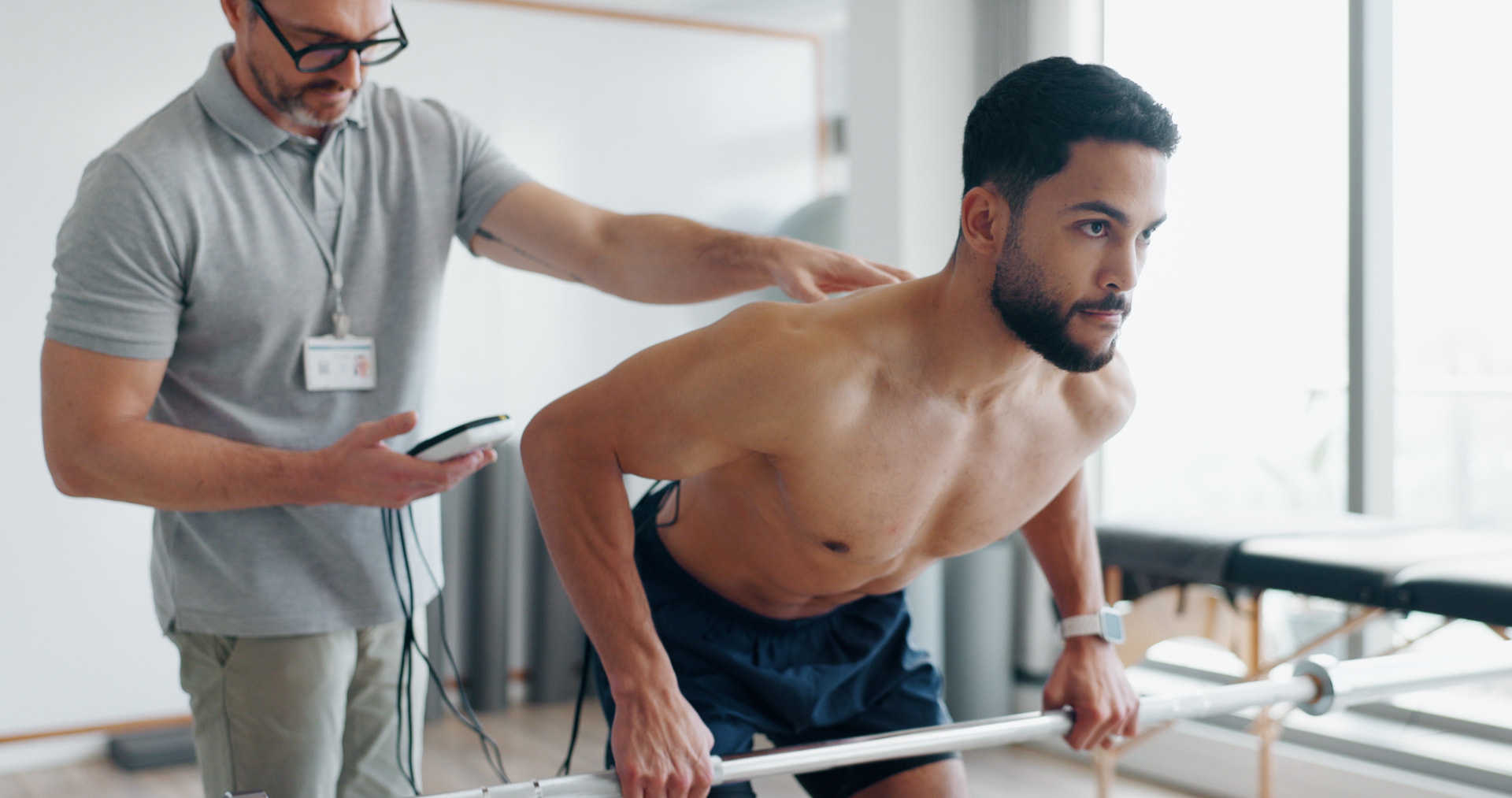
For most of the active adults I work with, that means strength training two to three days a week, in real sessions, with real load, but with thoughtful programming. Compound movements. Moderate volume. The goal isn't to feel destroyed afterward. The goal is to be slightly stronger than you were last week and to be ready to play golf or tennis the next morning.
The other mornings are easier: long walks, mobility work, sometimes a yoga session focused on hip and thoracic mobility rather than acrobatics. The training is paced to make the rest of the day better, not to leave you wrecked for it.
Inside the morning routine of a generation that refuses to slow down.
The sport itself counts
This is a meaningful departure from how most active adults thought about exercise twenty years ago. The golf round, the tennis match, the pickleball session — these aren't recreation that exists outside of training. They're the centerpiece. They're the reason for all the other work.
This reframe matters more than it sounds. When you treat your sport as the main event, you train to support it. Your strength work targets the patterns your sport demands. Your mobility work addresses the ranges your sport requires. Your recovery is paced around your tee times, not the other way around.
The traditional fitness culture treated sport as cardio you happened to enjoy. The new template treats sport as the actual purpose, with everything else as infrastructure.
Afternoons: real recovery
The afternoon is where the Palm Beach routine looks most different from anything you'd find in a fitness magazine.
There's almost always an hour of walking, often outside, often around the neighborhood or down to the beach. Not power walking. Just walking. Long enough to actually downregulate the nervous system, light enough to not add to the day's load.
There's often a sauna session — usually fifteen to twenty minutes at moderate heat. Cold plunge for the more committed. These are tools that the research has caught up to, and the people doing them consistently are seeing real benefits: cardiovascular adaptation, parasympathetic recovery, improved sleep.
There's eating that's deliberate without being neurotic. Protein at every meal. Carbohydrates timed around activity. Wine with dinner, but not three glasses. Not perfect, but consistent.
Evenings: sleep is non-negotiable
The Palm Beach version of the active second half treats sleep as the foundation of everything else. Lights down by 9 p.m. Screens off well before bed. A consistent wind-down routine. Temperature in the bedroom in the mid-sixties.
This is the part that took the longest for people to figure out, but it's the part that has changed the trajectory of the entire routine. The active adult who sleeps eight hours consistently is a fundamentally different animal than the one who sleeps six. Performance on the course is better. Energy is more sustained. Recovery from training is faster. Cognitive sharpness through the day is dramatically improved.
People in their thirties can survive on six hours of sleep. People in their sixties cannot. The new template doesn't try.
What's notably absent
A few things you don't find in this routine, and the absence is the point.
There's no obsession with metrics. There's a wearable on the wrist, usually, but it informs rather than dictates. The day isn't structured around closing rings or hitting step counts. It's structured around what produces the best version of you for the activities you actually care about.
There's no fasted cardio at dawn. There's no orange-theory-style intensity at age sixty-five. There's no marathon training plan that wrecks every other part of the body. There's no "shred season."
The intensity has been calibrated to a fundamental insight: you have decades of activity left, and the goal is to be playing better at seventy than you are at sixty, not to peak this year and crash next.
Why this works at this stage of life
In your thirties, you can train almost anything and adapt. The body absorbs punishment, recovers quickly, and rewards you for showing up.
In your fifties, sixties, and seventies, the math changes. Training stimulus that exceeds your recovery capacity doesn't make you stronger — it makes you injured. The athletes who continue to improve at this stage of life are the ones who match training intensity precisely to recovery capacity, and who treat recovery as a training input rather than an afterthought.
The Palm Beach routine, whether the people doing it could articulate it or not, has stumbled into this principle. It's why a seventy-year-old in Wellington who follows it is often playing better golf than he was at sixty. It's why women in their late fifties in Manalapan are running faster tennis games than they did a decade ago.
The template works because it respects the actual physiology of the second half of life.
What this looks like for you
If you're reading this and recognizing some pieces of it but not others, the place to start is usually the simplest. Sleep. Walking. Strength training that supports your sport. Recovery treated as actual training, not as the absence of it.
The rest builds from there.
If you want to design this kind of routine for yourself — built around your sport, your life, and your specific physiology — schedule a consultation. We work with active adults across Palm Beach County to build training and recovery systems that hold up for decades.