Both work. They work differently. And using them wrong — especially in relation to your training — can actively work against you.
Every wellness center in Palm Beach County from Boca Raton to Jupiter has added a cold plunge in the last two years. Saunas have been standard for longer but are getting more attention thanks to the longevity research from Finland. Both modalities have real evidence behind them. Both are also being oversold.
Here's what the actual research supports — and how to use each one effectively.
What sauna does
Sauna use — specifically Finnish-style dry sauna at temperatures of 175 to 195°F — has some of the most impressive research findings in the recovery and longevity space. Long-term observational studies from Finland have found substantial reductions in cardiovascular mortality, dementia risk, and all-cause mortality in people who use sauna frequently.
The mechanisms include: - Cardiovascular training effect (elevated heart rate for 15-30 minutes) - Heat shock protein production (protective cellular response) - Blood pressure regulation improvements - Improved endothelial function (blood vessel health) - Some evidence for improved recovery from training
The dose-response relationship is clear: two to three sessions per week produces modest benefit; four to seven sessions per week produces substantial benefit. Individual sessions should be 15 to 30 minutes long.
Both work. They work differently. And timing matters more than most people realize.
What cold plunge does
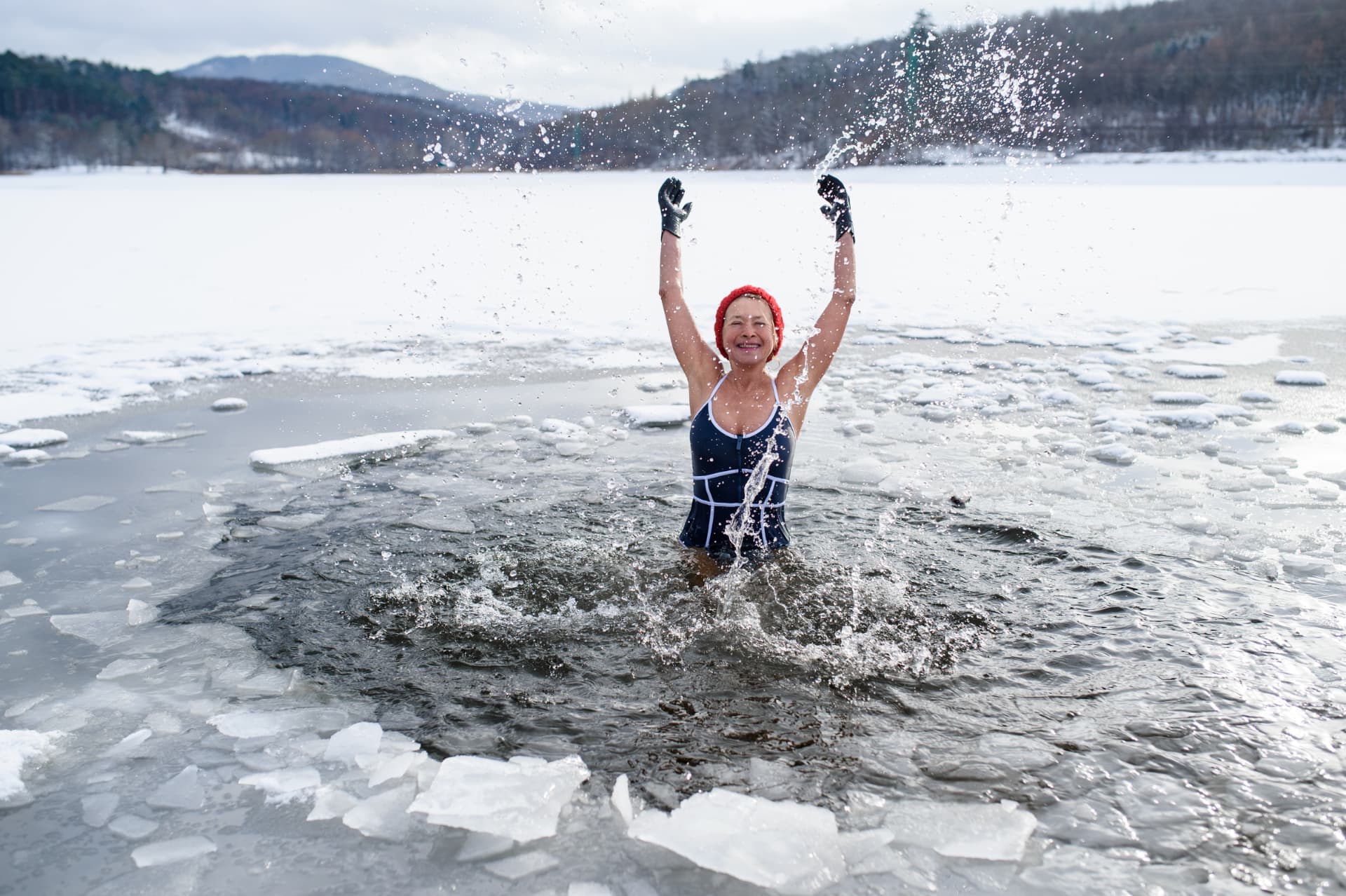
Cold water immersion — plunges at 50 to 60°F for 2 to 5 minutes — has different effects, and the evidence base is less robust than sauna but growing.
The mechanisms include: - Sympathetic nervous system activation (alertness, mood) - Anti-inflammatory response (in some contexts) - Vasoconstriction followed by vasodilation - Some evidence for improved insulin sensitivity - Subjective improvements in mood and stress tolerance
The dose-response is less well-established than sauna, but most protocols suggest two to four sessions per week, with individual sessions of 2 to 5 minutes.
The critical timing issue
Here's where most people get it wrong: cold plunge immediately after strength training appears to blunt the muscle-building response.
Multiple studies have shown that ice bath or cold plunge use within an hour or two after resistance training reduces the muscle growth adaptations from that training. The mechanism appears to be that the anti-inflammatory response from cold blunts the low-grade inflammation that signals muscle repair and growth.
For an athlete trying to recover for tomorrow's competition, that trade-off might be worth it. For an adult over fifty trying to build and maintain muscle — one of the most important longevity goals — cold plunge right after strength training may work against the primary goal of the training.
Practical rule: Don't cold plunge in the four hours after strength training. Cold plunge after cardio, before training, on non-training days, or as a general lifestyle practice separated from your resistance workouts.
Sauna doesn't have this problem. It appears to be neutral or slightly beneficial for muscle building adaptations even when used post-workout.
When to use each
Sauna is better for: - Cardiovascular health and longevity benefits - Recovery from cardio training - Sleep improvement (evening sessions in particular) - General wellness practice with the most robust evidence base
Cold plunge is better for: - Acute recovery when you need to feel better fast - Mood, alertness, and stress response - Post-cardio recovery (with less timing sensitivity) - Reducing perceived soreness after intense training days
Contrast therapy (alternating both): Some evidence suggests alternating sauna and cold plunge — sauna for 10-15 minutes, cold plunge for 1-3 minutes, repeating 2-3 times — provides some benefits of both, though the research on this specific protocol is less established than either modality alone.
A practical weekly protocol
For an active adult over fifty in Palm Beach County who trains regularly:
Sauna: 3-4 sessions per week, 15-20 minutes each. Post-cardio is ideal. Evening sessions before bed can help sleep.
Cold plunge: 2-3 sessions per week, 2-4 minutes each. Morning is ideal for the mood and alertness effect. Avoid the four-hour window after strength training. On strength training days, either skip the plunge entirely or do it before training.
Trainer days off: Either or both can be used on rest days without concern about interfering with adaptation.
What not to do
Don't overdose. Both modalities have optimal doses. More is not better beyond a certain point, and can become a stressor rather than a recovery tool.
Don't skip the basics for the fancy tools. Sauna and cold plunge are supplements to good recovery, not substitutes. If you're not sleeping seven-plus hours, not walking daily, and not eating adequate protein, no amount of contrast therapy will fix what's broken. Get the foundation right first. See The Recovery Habit That Matters More Than Sleep for the foundational habit most people skip.
Don't ignore contraindications. People with certain cardiovascular conditions should approach both modalities cautiously and with medical guidance. Extreme heat and extreme cold are legitimate physiological stressors.
If you want to build recovery practices into a training program that's integrated with your goals — golf, tennis, pickleball, longevity — schedule a consultation. We build training and recovery systems for active adults across Palm Beach County that work together, not against each other.