Golfer's elbow affects different muscles than tennis elbow and responds to different loading patterns. Treating it with a tennis elbow protocol often produces incomplete results.
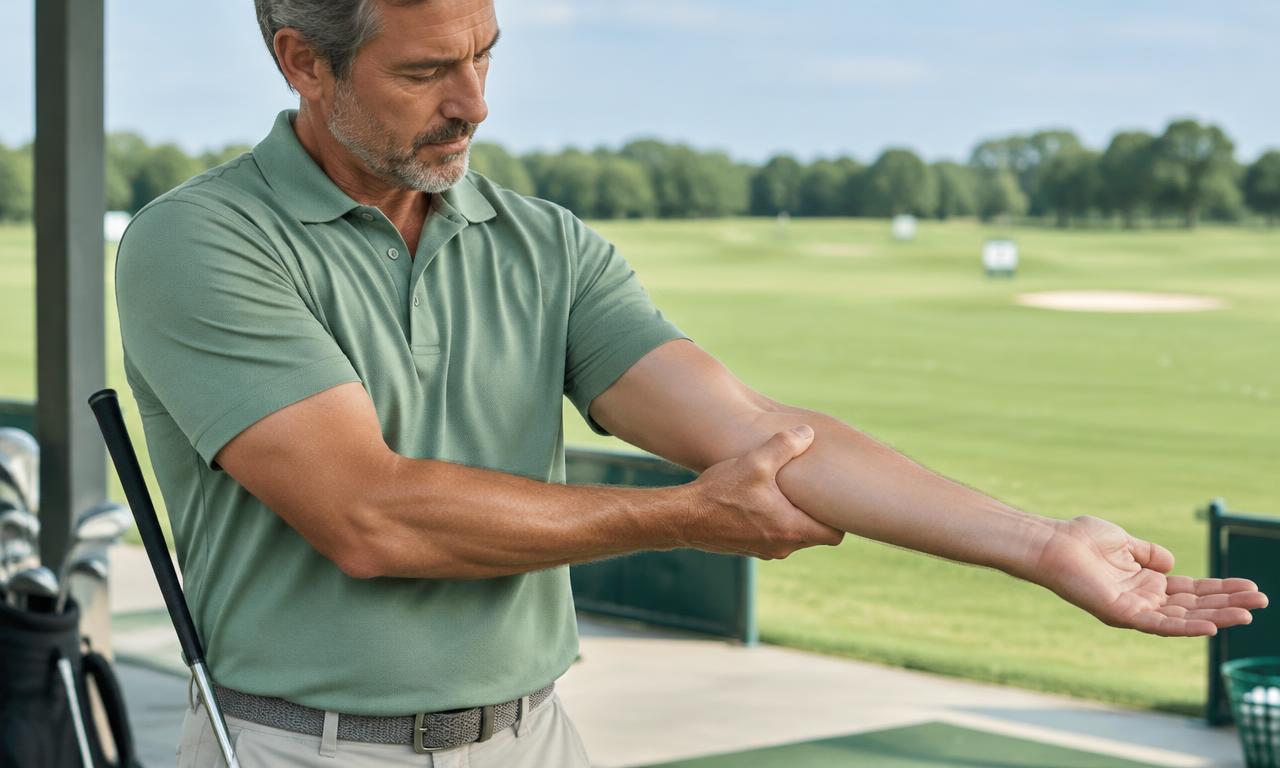
The golfer walks in describing pain on the inside of his elbow that's progressed to the point where his grip feels weak. He's been told he has golfer's elbow and has been doing wrist exercises he found online — the same ones recommended for tennis elbow.
The exercises aren't working because they're for the wrong condition.
The anatomy difference
Tennis elbow (lateral epicondylitis) affects the extensor tendons — the muscles that extend the wrist and fingers backward. These tendons attach to the lateral (outer) epicondyle.
Golfer's elbow (medial epicondylitis) affects the flexor-pronator tendons — the muscles that flex the wrist and fingers forward, and that rotate the forearm into pronation. These tendons attach to the medial (inner) epicondyle.
Different tendons. Different muscles. Different loading patterns that caused the pathology. Different loading patterns that rebuild them.
Why golfers develop it
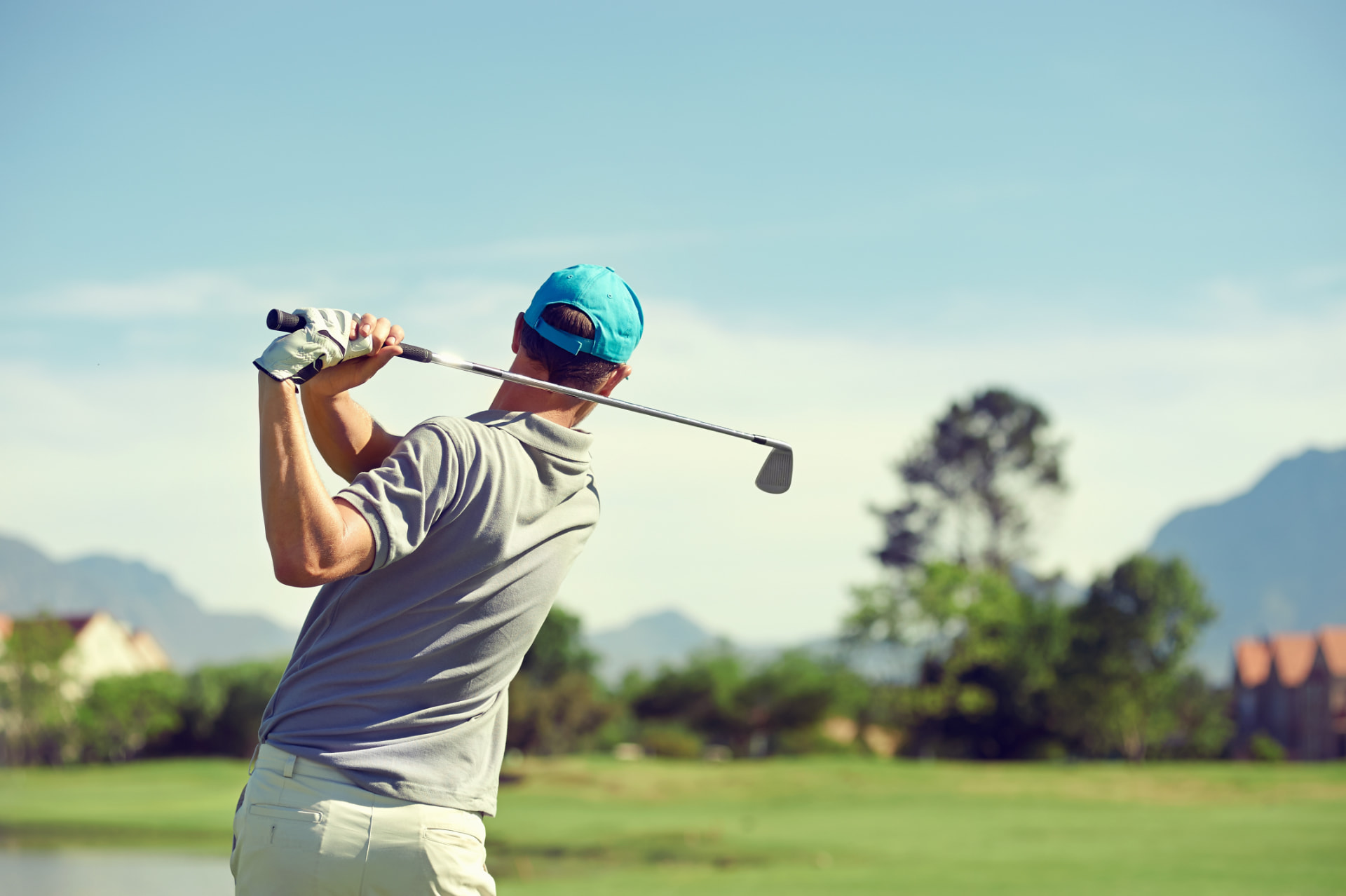
The golf swing loads the medial elbow repeatedly. During the downswing and impact, the forearm flexor-pronator muscles work to stabilize the wrist and control the club face. Over thousands of swings, this cumulative loading can exceed tendon capacity.
Contributing factors: - Grip that's too tight - Grip size that doesn't match hand anatomy - Swing path that increases forearm loading - Hitting fat shots repeatedly - Increased practice volume beyond tendon adaptation capacity
Who else gets it
Despite the name, golfer's elbow develops in many non-golfers: pickleball players, tennis players with heavy topspin forehands, weight lifters, rock climbers, and workers whose jobs involve repetitive forearm loading.
The treatment that works
Progressive flexor-pronator loading. Eccentric wrist flexion and forearm pronation exercises rebuild the flexor-pronator tendons specifically. Standard tennis elbow protocols don't target these muscles.
Heavy slow resistance training for the flexor-pronator group, progressing over 12 weeks or more.
Extracorporeal shockwave therapy for chronic cases. Both focused and radial shockwave have evidence for medial epicondylitis.
Dry needling of the flexor-pronator group and associated forearm musculature.
Golf swing assessment for mechanics contributing to medial elbow loading.
Grip modification — grip size evaluation and technique adjustments.
Chiropractic manipulation of the cervical spine, elbow, and wrist where restrictions contribute.
Why standard treatment often fails
Patients with golfer's elbow often receive the same advice as tennis elbow patients — stretching, generic wrist exercises, counterforce brace, anti-inflammatories, cortisone. These don't target the flexor-pronator group specifically. Cortisone injections have the same long-term outcome concerns as for tennis elbow.
Timeline
Chronic golfer's elbow typically requires 8 to 16 weeks of committed treatment. Return to golf is usually possible with modifications during treatment and full return around 3 to 4 months.
Frequently Asked Questions
- Can I keep playing golf during treatment?
- Modified play is often possible. Reducing practice volume, avoiding driving range sessions, and focusing on short game while the tendon rebuilds can maintain golf involvement.
- Is the ulnar nerve involved?
- The ulnar nerve runs behind the medial epicondyle and can be involved in chronic cases. Numbness or tingling in the ring and little fingers suggests ulnar nerve involvement.
- Will a counterforce brace help?
- Braces may help with symptom management during activity but don't address the underlying tendinopathy.
- How is it different from tennis elbow treatment?
- Both require progressive tendon loading, but the specific muscle groups loaded are different. Generic "elbow exercises" often don't distinguish these.
If golfer's elbow has limited your game, schedule a consultation at Stryde Health and Performance in Boynton Beach. We integrate swing assessment, flexor-pronator loading, and advanced modalities in treatment plans designed specifically for Palm Beach County's active golfing population.