Persistent post-concussion symptoms can be resistant to conventional treatment. Craniosacral therapy is one adjunctive modality that some patients find valuable in comprehensive recovery.
Persistent symptoms after a concussion can be frustrating and difficult to treat. The dizziness that won't fully resolve. The headaches that come and go. The fogginess that lingers weeks or months after the injury. Conventional post-concussion care sometimes helps and sometimes doesn't, and patients whose symptoms persist often seek alternative or complementary approaches.
Craniosacral therapy is one modality some patients find valuable as part of comprehensive post-concussion care. Here's an honest look at what it is, what it does, and where it fits.
What craniosacral therapy is
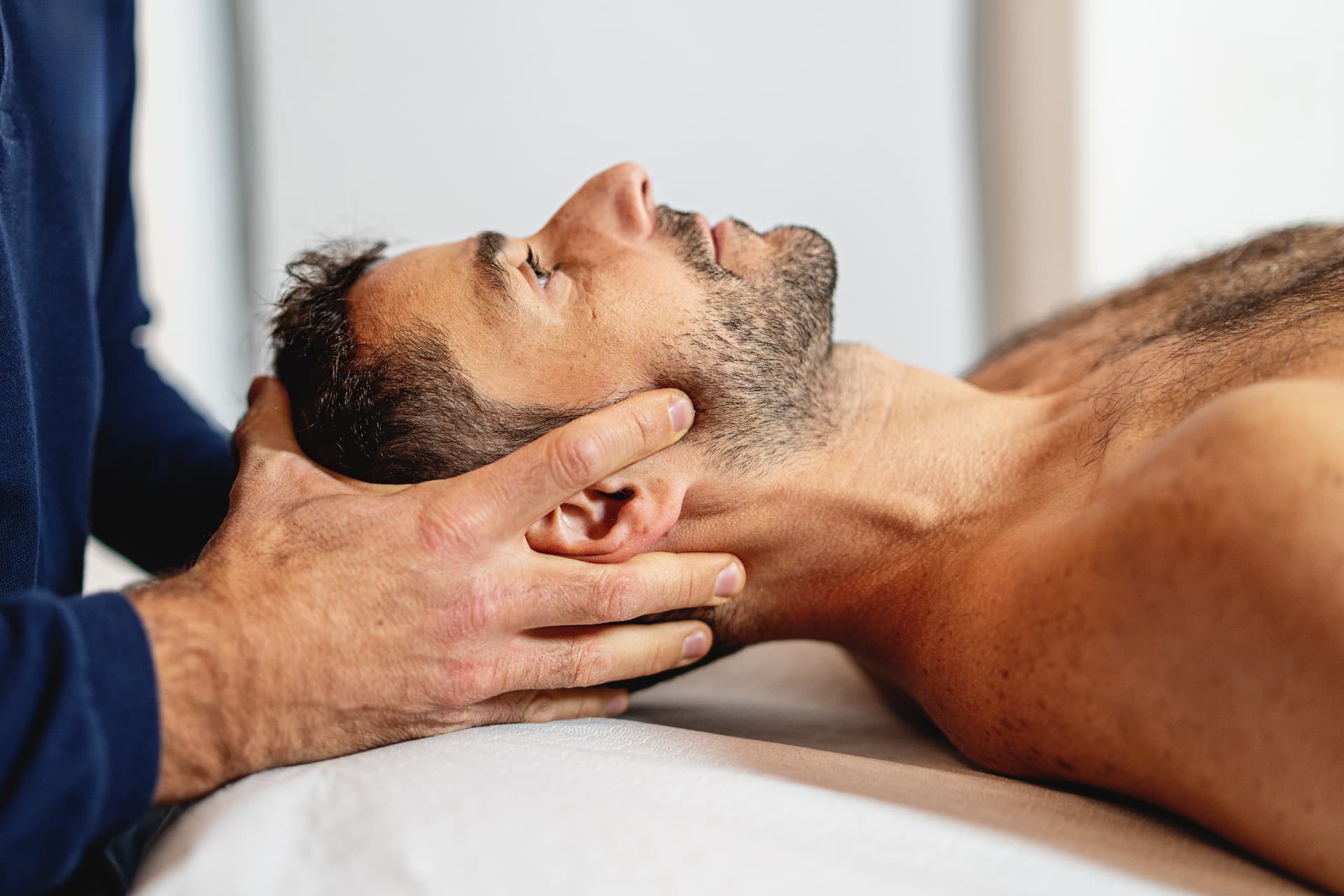
Craniosacral therapy (CST) is a gentle hands-on approach that involves subtle manipulation of the bones of the skull, spine, and pelvis. Practitioners assess and treat what they describe as the craniosacral system — the membranes and cerebrospinal fluid surrounding the brain and spinal cord.
Sessions are typically slow, gentle, and largely non-invasive. The pressure used is very light — often described as no heavier than the weight of a coin. Patients typically remain fully clothed and lying on a treatment table.
The evidence context
Craniosacral therapy has a mixed evidence base. Some studies support benefits for certain conditions including chronic headaches, neck pain, and post-concussion symptoms. Other studies and skeptical reviews question the underlying theoretical framework and the specificity of effects.
The honest position is that craniosacral therapy has some supporting evidence for specific applications, has clear limitations, and works better for some patients than others. It is not a primary treatment for post-concussion syndrome, but it may be a valuable adjunct in comprehensive care.
Patients considering CST should understand this context. Framing it as a definitive solution overstates the evidence. Dismissing it entirely may miss a modality that helps some patients meaningfully.
Where CST fits in post-concussion care
For persistent post-concussion symptoms, comprehensive care typically involves:
Vestibular rehabilitation for dizziness, imbalance, and vestibular symptoms.
Vision therapy for the visual and oculomotor disturbances common after concussion.
Graded exercise therapy for the exercise intolerance many post-concussion patients develop.
Cervical spine assessment and treatment for the neck contributions to post-concussion headaches and dizziness.
Cognitive rehabilitation for cognitive symptoms.
Sleep optimization for the sleep disruption common after concussion.
Nutritional and lifestyle support for the metabolic and inflammatory dimensions of recovery.
Craniosacral therapy as an adjunct, particularly for patients with headache patterns, TMJ symptoms, autonomic nervous system dysregulation, or subjective reports of pressure or fullness in the head.
CST is not a substitute for the primary evidence-based interventions. It's one tool that some patients find valuable in the larger recovery picture.
What patients typically report
Patients who find CST valuable for post-concussion symptoms typically describe:
- Reduction in headache frequency or intensity
- Reduction in the subjective sensation of "pressure" or "fullness" in the head
- Improvements in autonomic symptoms (heart rate variability, dizziness, temperature regulation)
- Improved sleep quality
- General sense of calming and nervous system regulation
Response is variable. Some patients notice change within a few sessions. Some notice more gradual improvement over several weeks. Some don't respond meaningfully.
The nervous system regulation angle
One of the more compelling explanations for what CST does in post-concussion patients involves autonomic nervous system regulation. Concussion frequently disrupts autonomic function — the sympathetic and parasympathetic systems that regulate heart rate, blood pressure, digestion, and stress response.
Gentle, sustained, non-threatening physical contact — which describes CST — appears to activate parasympathetic (rest-and-digest) responses. Whatever the specific mechanism at the cellular or tissue level, the overall experience often produces meaningful autonomic regulation.
For patients with post-concussion autonomic dysfunction, this regulation may be part of what produces subjective benefit.
How CST is used at Stryde
At Stryde Health and Performance, craniosacral therapy is offered as one component of care for appropriate patients. It is not our primary treatment for post-concussion symptoms — that role belongs to vestibular therapy, cervical spine treatment, and the other evidence-based interventions listed above.
CST is considered when:
- Patients have persistent post-concussion symptoms with autonomic or headache features
- Standard evidence-based approaches have produced partial but incomplete resolution
- Patient preference and openness to the modality support its use
- Contraindications are ruled out
Sessions are typically 30 to 45 minutes. Response is usually apparent within 3 to 6 sessions if the modality is going to be helpful for a particular patient.
Beyond post-concussion applications
CST is also considered for other conditions where autonomic regulation, TMJ dysfunction, chronic headache patterns, and gentle cranial and spinal work may be appropriate:
- Chronic tension-type headaches
- Chronic migraine
- TMJ dysfunction
- Some chronic pain conditions with strong autonomic components
- Post-surgical recovery in some cases
For these applications, similar honest framing applies: it's one tool among many, works better for some patients than others, and is best considered as part of comprehensive care.
Frequently Asked Questions
- Is craniosacral therapy scientific?
- Aspects of the theoretical framework are contested scientifically. Some clinical effects have supporting evidence, though the mechanism explanations are debated. The honest position is that some patients experience benefit; the underlying mechanisms are still being clarified.
- Is CST safe?
- CST is a very gentle, non-invasive modality with an excellent safety profile in appropriate hands. Serious adverse events are extremely rare. It's generally considered safe even for medically complex patients.
- Should I try CST if I have persistent post-concussion symptoms?
- It may be worth considering as an adjunct to evidence-based post-concussion care, particularly if you have prominent autonomic or headache features and other approaches have been partially helpful. Don't use it as a substitute for vestibular therapy, exercise therapy, or cervical treatment.
- Is CST covered by insurance?
- Rarely. Most CST is provided on a self-pay basis. Some patients pursue out-of-network reimbursement.
If you have persistent post-concussion symptoms and are looking for comprehensive care that includes both evidence-based standard treatment and adjunctive modalities like craniosacral therapy, schedule a consultation at Stryde Health and Performance in Boynton Beach.