Of all the levers that affect how you perform, recover, and age, sleep is the one most people neglect and the one with the largest impact.
The patient describes training that's going well but recovery that isn't matching. He's sore longer than he used to be. He feels fatigued through the day. His sleep is "fine" but he's not sure what that actually means at his age.
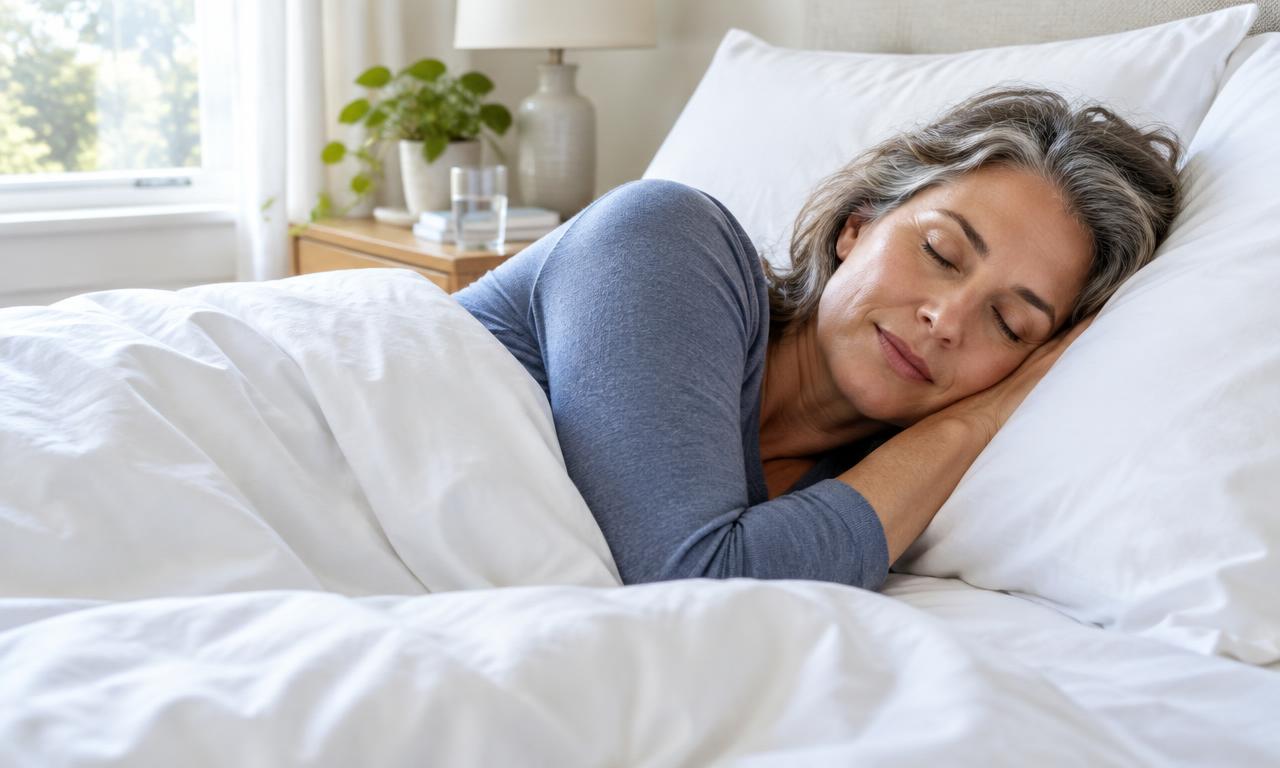
For active adults over fifty, sleep is one of the highest-leverage and most consistently under-optimized variables affecting athletic performance, injury prevention, and aging well. Understanding what changes with age and what to do about it matters.
What changes in sleep with aging
Sleep architecture changes meaningfully in adults over fifty:
Less deep sleep. Slow-wave sleep — the deepest stage, associated with physical recovery — decreases significantly. This affects muscle recovery, immune function, and growth hormone release.
More fragmented sleep. Awakenings during the night increase. Sleep becomes less continuous.
Earlier timing. Both sleep onset and wake times tend to shift earlier (the "early bird" pattern that increases with age).
Reduced total sleep time. Average sleep duration decreases modestly, though the recommended 7+ hours remains the target.
Sleep efficiency decreases. Time spent asleep as a percentage of time in bed drops.
These changes are partially inevitable but largely modifiable. Adults who optimize sleep environments and behaviors maintain much better sleep than those who don't.
Why sleep matters for athletic performance
Sleep affects:
Recovery from training. Muscle protein synthesis, glycogen replenishment, and inflammatory resolution all occur primarily during sleep. Inadequate sleep delays recovery.
Injury risk. Research has consistently shown that athletes with poor sleep have higher injury rates. The effect is substantial — sometimes two-fold or greater injury risk with chronic sleep deprivation.
Motor learning and skill retention. Sleep consolidates motor patterns and skills. Inadequate sleep impairs skill development and retention.
Cognitive function during activity. Reaction times, decision-making, and judgment all degrade with sleep deprivation.
Hormonal regulation. Testosterone, growth hormone, cortisol, and other performance-relevant hormones all have circadian rhythms tied to sleep.
For adults over fifty, the margin for recovery is thinner than in younger adults. Sleep that was "good enough" at thirty may not be good enough at sixty.
What optimizing sleep looks like
Duration: Target 7 to 9 hours nightly. Some adults need more, some less. Most adults over 50 do best in the 7-8 hour range.
Timing consistency: Same bedtime and wake time within a 30-minute window daily, including weekends. Consistency matters more than any particular timing.
Sleep environment: - Cool temperature (65-68°F for most adults) - Dark (blackout curtains or sleep mask) - Quiet (earplugs or white noise if needed) - Comfortable mattress and pillow - Minimal electronics
Pre-sleep routine: - Wind-down period of 30-60 minutes - Dim lighting in the hour before bed - Avoid screens or use blue-light filtering - Avoid heavy meals within 2-3 hours of bed - Avoid alcohol close to bedtime (impairs sleep quality even when it helps with onset) - Avoid caffeine after early afternoon
Morning light exposure: 10-30 minutes of outdoor light within an hour of waking anchors the circadian rhythm.
The alcohol issue
Alcohol is one of the most common and most overlooked sleep disruptors. Even moderate drinking impairs sleep quality:
- Reduces REM sleep significantly
- Fragments sleep in the second half of the night
- Reduces deep sleep
- Often increases nighttime awakenings
For adults over fifty who notice declining recovery and poor sleep quality, alcohol intake is one of the first variables to examine. Many patients see substantial sleep improvement from eliminating or substantially reducing drinking.
Sleep tracking
Devices that track sleep provide useful data when interpreted correctly:
What's useful: Trends over time, relative sleep quality from night to night, identifying patterns.
What's limited: Absolute precision of sleep stages, exact sleep duration (most devices over- or under-estimate), day-to-day variation that may be meaningless.
Use trackers for directional information rather than absolute precision. Noticing that your sleep is consistently poor after certain patterns (late workouts, drinking, late meals) is more useful than any individual night's "score."
When sleep problems need medical evaluation
Patterns suggesting sleep disorders that need evaluation:
- Chronic loud snoring, especially with witnessed pauses in breathing (sleep apnea)
- Persistent daytime sleepiness despite adequate time in bed
- Chronic difficulty falling or staying asleep
- Legs feeling restless or uncomfortable preventing sleep (restless legs syndrome)
Sleep apnea in particular is common in adults over fifty and often undiagnosed. Appropriate treatment (CPAP or oral appliance) can dramatically improve sleep quality, recovery, and overall health.
Sleep and injury recovery
For patients recovering from injuries or in rehabilitation, sleep optimization is a meaningful part of the recovery program. Healing processes depend on sleep, and chronic sleep deficit slows recovery from any injury.
Patients at Stryde dealing with chronic pain, slow recovery, or recurrent injuries are routinely asked about sleep. Addressing sleep often produces improvements that other interventions alone can't match.
Frequently Asked Questions
- How much sleep do adults over 50 need?
- Most adults need 7-9 hours. Individual variation exists. The amount that leaves you feeling alert through the day without needing caffeine is a reasonable practical target.
- Is it normal to wake up during the night at my age?
- Some wake-ups are normal with aging. Frequent or sustained wake-ups that leave you unrefreshed suggest sleep quality issues that may be addressable.
- Will melatonin help?
- Low-dose melatonin (0.3-1 mg) can help with sleep timing issues. Higher doses don't typically help more and may produce next-day grogginess. Not a solution for most sleep problems but useful for specific situations.
- Does exercise timing affect sleep?
- Exercise generally improves sleep. Very intense exercise within 2-3 hours of bedtime can impair sleep onset in some individuals. Morning or afternoon exercise is typically best for sleep.
If chronic poor recovery, fatigue, or injury patterns suggest sleep may be a contributor, schedule a consultation at Stryde Health and Performance in Boynton Beach. We integrate sleep assessment into comprehensive care for active adults across Palm Beach County.